



Introduction
Financial needs can arise at any stage of life. Whether someone wants to manage an unexpected expense, pay for education, renovate a home, consolidate existing debt, or handle a major personal event, having access to additional funds can provide valuable support. This is where personal loans can become a useful financial solution.
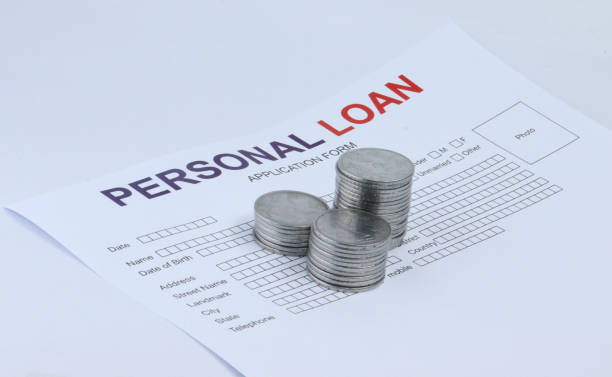
A personal loan is a type of borrowing that allows individuals to receive money from a financial institution and repay it over an agreed period. Unlike some loans that are designed for specific purposes, personal loans often provide more flexibility because borrowers can use the funds for various personal needs.
However, taking a loan is an important financial decision. Understanding how personal loans work, the costs involved, repayment responsibilities, and available options can help borrowers make better choices.
What Is a Personal Loan?
A personal loan is a financial product that allows an individual to borrow a fixed amount of money from a bank, credit union, or online lender. The borrower agrees to repay the borrowed amount along with applicable interest and charges over a specific period.
Most personal loans are unsecured, meaning they do not require collateral such as a home or vehicle. Instead, lenders usually evaluate factors such as income, credit history, repayment ability, and financial stability when deciding whether to approve an application.
Personal loans can be used for many purposes, including medical expenses, education costs, home improvements, travel, weddings, emergency needs, or debt management.
How Do Personal Loans Work?
The process of obtaining a personal loan generally involves several steps.
First, the borrower submits an application with details about income, employment, identity, and financial information. The lender reviews this information to assess eligibility and repayment capacity.
If approved, the lender provides the loan amount according to the agreed terms. The borrower then repays the loan through regular installments over a defined period.
Loan terms usually include:
- Borrowed amount
- Interest rate
- Repayment duration
- Monthly installment amount
- Processing fees
- Other applicable charges
Before accepting a loan, borrowers should carefully review all terms to understand the total cost of borrowing.
Types of Personal Loans
Unsecured Personal Loans
Unsecured personal loans do not require any asset as security. Approval is generally based on factors such as credit history, income, and financial profile.
Secured Personal Loans
Secured personal loans require collateral, such as property or another valuable asset. Because the lender has security against the loan, these loans may offer different terms depending on the agreement.
Debt Consolidation Loans
These loans are designed to help borrowers combine multiple debts into a single payment. This may simplify repayment management, although borrowers should compare costs carefully before choosing this option.
Home Improvement Loans
Many people use personal loans to finance repairs, upgrades, or renovation projects when they do not want to use other financing options.
Medical Expense Loans
Personal loans can help individuals manage healthcare-related expenses that may not be fully covered by insurance or available savings.
Education Loans for Personal Needs
Some borrowers use personal financing options for educational expenses, professional courses, certifications, or skill development.
Benefits of Personal Loans
Flexible Usage
One of the main advantages of personal loans is flexibility. Borrowers can often use the funds for different personal requirements without restrictions tied to a specific purchase.
Quick Access to Funds
Many lenders provide streamlined application processes, allowing eligible borrowers to receive funds faster compared with some traditional financing methods.
No Collateral Requirement
Unsecured personal loans do not require borrowers to provide assets as security, making them accessible to people who do not own valuable collateral.
Predictable Repayments
Fixed repayment schedules make it easier for borrowers to plan monthly budgets and understand their financial obligations.
Support During Financial Needs
Personal loans can provide temporary financial assistance during planned expenses or unexpected situations when managed responsibly.
Common Uses of Personal Loans
Emergency Expenses
Unexpected costs such as medical bills, urgent repairs, or family-related expenses can create financial pressure. A personal loan may help cover these needs when appropriate.
Home Renovation
Many homeowners use personal loans to improve living spaces, upgrade facilities, or complete repair projects.
Education and Skill Development
Borrowers may use personal financing to invest in courses, training programs, or professional development opportunities.
Debt Management
Some individuals use personal loans to reorganize existing debt, though they should evaluate interest rates, fees, and repayment terms carefully.
Major Life Events
Personal loans may help manage expenses related to events such as weddings, relocations, or other significant personal milestones.
Factors to Consider Before Taking a Personal Loan
Loan Interest Rate
The interest rate affects the total amount repaid over the life of the loan. Comparing rates from different lenders can help borrowers find suitable options.
Repayment Period
A longer repayment period may reduce monthly payments but can increase the total interest paid over time.
Monthly Budget
Borrowers should evaluate whether loan payments fit comfortably within their regular income and expenses.
Fees and Charges
Processing fees, late payment charges, and other costs can increase the overall expense of borrowing.
Financial Purpose
Before applying, consider whether the loan is necessary and whether there are alternative ways to manage the expense.
How to Apply for a Personal Loan
The application process may vary between lenders, but it generally includes:
Step 1: Evaluate Your Financial Situation
Review your income, expenses, existing debts, and repayment ability before applying.
Step 2: Compare Available Options
Research different lenders, interest rates, fees, loan terms, and eligibility requirements.
Step 3: Prepare Required Documents
Common documents may include identity verification, income proof, employment details, and financial records.
Step 4: Submit an Application
Complete the application process and provide accurate information to the lender.
Step 5: Review Loan Terms
Carefully check the agreement, including repayment schedule, interest costs, and additional charges before accepting the loan.
Tips for Managing a Personal Loan Responsibly
Responsible loan management can help maintain financial stability.
Helpful practices include:
- Borrow only what you can comfortably repay
- Make payments on time
- Track monthly expenses
- Avoid unnecessary borrowing
- Understand all loan conditions
- Maintain an emergency savings plan
- Contact the lender early if repayment difficulties occur
A loan should support financial goals rather than create unnecessary pressure.
Common Mistakes to Avoid
Borrowers should be careful about:
- Taking a loan without comparing options
- Borrowing more than necessary
- Ignoring interest costs
- Missing repayment deadlines
- Choosing a loan based only on approval speed
- Not reading the complete loan agreement
- Using loans for regular lifestyle expenses
Making informed decisions can prevent long-term financial challenges.
Personal Loans vs Other Borrowing Options
Personal loans are only one type of financing option. Depending on the situation, people may also consider savings, credit cards, secured loans, or other financial products.
The right choice depends on factors such as the amount needed, repayment ability, urgency, interest costs, and personal financial goals.
Comparing different options before borrowing can help individuals choose a solution that fits their circumstances.
The Role of Credit History in Personal Loans
Credit history often plays an important role in loan approval decisions. Lenders use credit information to understand borrowing behavior and repayment patterns.
A stronger credit profile may improve access to better loan terms, while a weaker credit history may affect eligibility or borrowing costs.
Maintaining responsible financial habits, such as making payments on time and managing existing debts carefully, can support healthier credit management.
The Future of Personal Loans
Technology is changing the lending industry by making loan applications faster, more accessible, and more personalized. Digital platforms now allow borrowers to compare options, submit applications, and manage repayments online.
Future lending solutions may use advanced data analysis and automation to improve application experiences and provide more customized financial services.
Even as technology evolves, responsible borrowing and careful financial planning will remain essential.
Conclusion
Personal loans can provide useful financial support when individuals need additional funds for important expenses or planned goals. They offer flexibility, predictable repayment options, and accessibility for many borrowers. However, taking a loan requires careful consideration of interest costs, repayment responsibilities, and overall financial circumstances. By understanding how personal loans work and making informed decisions, borrowers can use financing as a helpful tool while maintaining long-term financial stability.